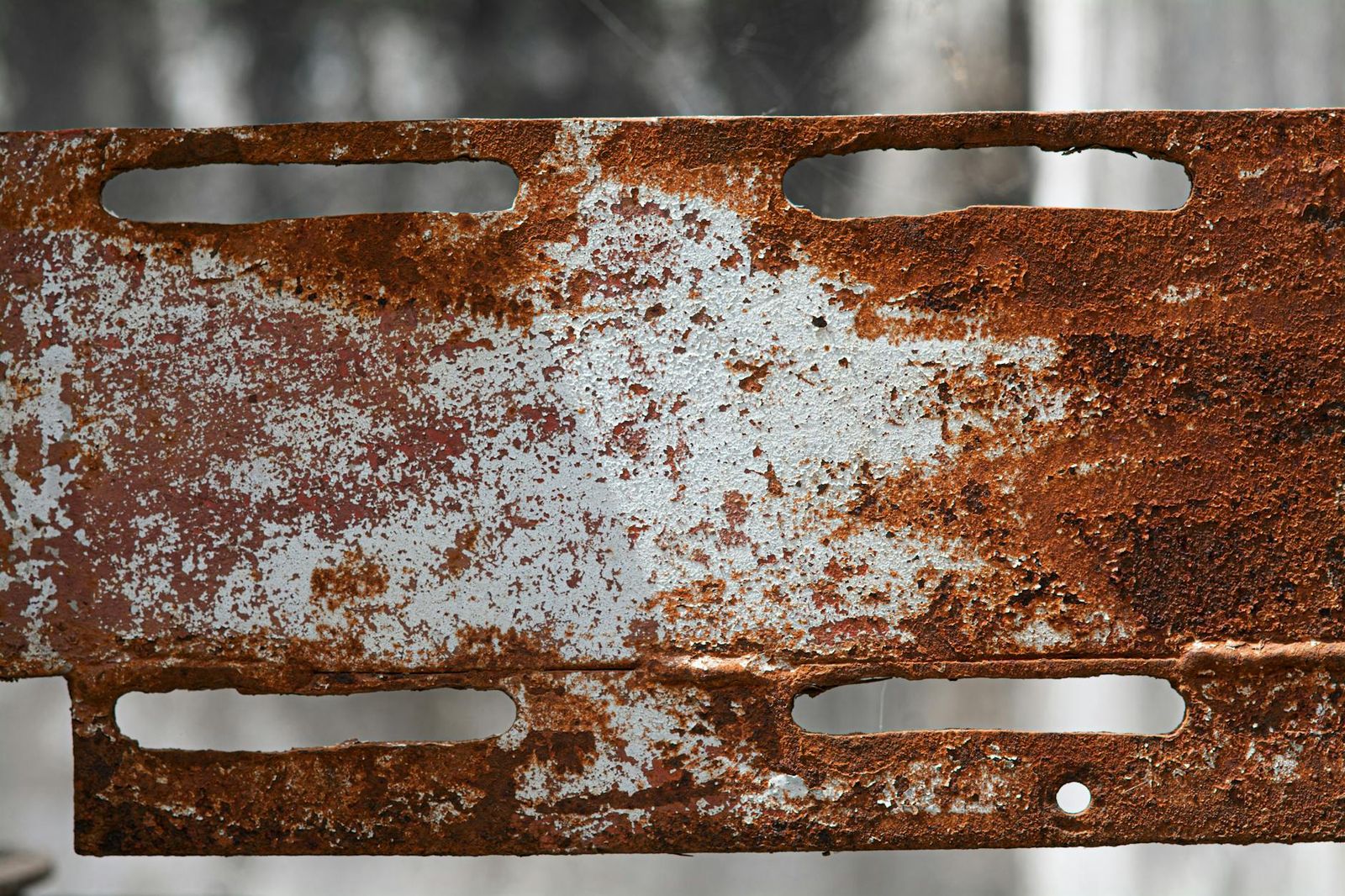
Coastal-Rated Coils: Why Glenelg & Henley Aircons Fail Early Without One
The honest answer for any Adelaide buyer fitting an aircon within 4km of the coast: the best ducted air conditioning install you’ll ever do is one with coastal-rated coils, and the best split system install is one with the same. The $400 premium at install translates into 6–8 extra years of operating life — turning a 6-year fin-corrosion failure into a 14-year clean run. The maths is decisive, but most quotes don’t even mention coastal rating unless the homeowner asks.
This guide walks the corrosion problem through five lenses: why coastal Adelaide units die early, the salt-aerosol arithmetic, what coil coatings actually do, the brand options that lead the coastal segment, and the simple maintenance routine that doubles the life of any coastal install.
Why coastal Adelaide aircons die at year 6, not year 12
The pattern is well-documented across the coastal Adelaide suburbs. A standard-coil split system installed at Glenelg, Henley Beach, Semaphore or West Lakes in 2018 typically shows visible fin corrosion by 2024 — six years in. The aluminium fins on the outdoor coil corrode from the leading edge inward, the coil’s heat-rejection capacity drops, the compressor runs harder to compensate, and the system reaches end-of-life around year 8.
The same unit installed inland — Burnside, Toorak Gardens, Mile End — runs cleanly to year 12–14. Same brand, same install spec, same maintenance. The only variable is salt aerosol exposure.
The implication for buyers in the Glenelg coastal-rated aircon zone, Henley Beach, Semaphore or Brighton: standard-coil units are not the right call. The premium for coastal-rated is small relative to the lifecycle difference, and any installer quoting a standard coil for a coastal property is either uninformed or hoping you don’t ask.
The salt-aerosol arithmetic — micrograms of NaCl per m³ within 4km of coast
Sodium chloride aerosol concentration in Australian coastal zones is well-measured by atmospheric science. The numbers, drawn from AIRAH coastal corrosion technical papers and Bureau of Meteorology coastal station data:
| Distance from coast | Typical NaCl aerosol (µg/m³) | Corrosion risk |
|---|---|---|
| 0–500m | 50–200 | Severe |
| 500m–2km | 20–60 | High |
| 2–4km | 8–25 | Moderate-high |
| 4–8km | 3–10 | Moderate |
| 8km+ | 1–4 | Low |
The threshold for accelerated coil corrosion is roughly 5 µg/m³ ongoing exposure. Glenelg, Henley Beach and Semaphore all sit in the 30–80 µg/m³ band — five to fifteen times the threshold. West Lakes, Henley Beach South, Tennyson and Grange sit in the 15–40 µg/m³ band. Even Brighton, sitting roughly 800m from the waterline, hits 40–70 µg/m³ on a westerly-wind day.
The arithmetic explains the field-failure pattern. The cumulative chloride dose on a Glenelg outdoor coil over 6 years exceeds the dose on a Burnside coil over 25 years. Same metallurgy can’t survive the difference.
Galvanic corrosion explained — aluminium fins eat themselves
The corrosion mechanism is galvanic corrosion between the aluminium coil fins and the copper refrigerant tubing. In dry inland conditions, the two metals coexist fine — the lack of an electrolyte stops the galvanic cell from completing.
Add salt aerosol to the picture. NaCl-laden moisture lands on the coil. The salt water acts as an electrolyte connecting the aluminium fin to the copper tube. The aluminium becomes the anode (sacrificial), the copper becomes the cathode, and electrons flow from aluminium to copper through the salt solution. The aluminium dissolves into the electrolyte — fin material literally migrates away from the coil into the salty water.
The visible symptom: white powdery aluminium chloride deposits on the fin tips, then progressive erosion of the fin from the leading edge inward. By year 6, the leading 5–8mm of the coil fin has eaten itself. The remaining coil still works but with 25–40% less surface area for heat rejection — and the unit struggles on hot days.
This is also why aluminium-against-copper is a worse pairing than aluminium-against-aluminium or copper-against-copper. The galvanic potential difference between Al and Cu is significant. Modern coil designs reduce the contact area between the two metals, but they can’t eliminate it without re-engineering the entire heat-exchanger.
The protection strategy: stop the salt water from reaching the metal junction. Coatings.
Coastal-rated coil options: Daikin Cora US7, Mitsubishi MSZ-AP, Fujitsu ACT
The big three coastal-rated options for residential Adelaide:
Daikin Cora US7. Daikin’s premium coastal split system. The US7 ships with coastal-rated coil as standard — gold-fin epoxy coating on the outdoor coil, treated bare-metal joints, sealed cabinet. No upgrade required, no extra spec to add. The cleanest coastal pick for splits in the Adelaide western suburbs. Real fitted price: $2,800–$3,600 for a 5kW unit.
Mitsubishi Electric MSZ-AP-AC. Mitsubishi’s anti-corrosion variant of the MSZ-AP series. Gold-fin coating + treated joints. Available across the AP capacity range from 2.5kW to 8kW. About $400–$700 premium over the standard MSZ-AP.
Fujitsu Lifestyle ACT. Fujitsu’s “Anti-Corrosion Treatment” variant. Strong-mid-range value pick — same coastal protection as the premium options at a slightly lower price. Available across the Lifestyle range. About $300–$500 premium over standard Lifestyle.
For ducted, the equivalents are Daikin Premium Inverter Coastal, Mitsubishi Bronte Coastal, and Fujitsu ARTW Coastal. Premiums on ducted are $800–$1,500 over standard — bigger because the ducted outdoor coil is larger and uses more coil treatment.
The brand-comparison logic in our Daikin vs Mitsubishi vs Fujitsu guide carries through to coastal — same brand strengths, with the coastal coating as the additional spec line.
Blue-fin vs gold-fin coatings — what they actually do
Two protective coatings dominate the residential aircon market.
Blue-fin (hydrophilic coating). Standard on most mid-tier residential outdoor units. The blue colour is a thin hydrophilic layer that helps water sheet off the coil — primarily an anti-frost feature for cold climates and a mild defrost-cycle aid. Blue-fin offers some corrosion resistance because water doesn’t pool on the coil, but the coating itself is thin (1–3 microns) and not designed for sustained salt exposure. Blue-fin alone is not coastal-rated.
Gold-fin (hydrophobic epoxy coating). Specifically engineered for coastal corrosion. The gold colour is a thicker (10–25 micron) epoxy or fluororesin coating that physically isolates the aluminium fin from the salt-laden water. The coating slows the galvanic cell from completing and pushes the corrosion-onset clock from year 6 to year 12+. Gold-fin is the coastal spec.
Some premium units stack both — blue hydrophilic over gold epoxy. Marketing names vary by brand. Daikin calls it “Coastal Anti-Corrosion Treatment”, Mitsubishi calls it “Coastal Coating”, Fujitsu calls it “ACT” (Anti-Corrosion Treatment), Samsung calls it “Coastal Protection”. The chemistry is broadly equivalent.
The buyer-side question to ask: “Is the outdoor coil gold-fin epoxy coated?” If yes, it’s coastal-rated. If the answer is “no, but it’s blue-fin”, that’s a standard inland coil and not appropriate for Glenelg or Henley.
Glenelg, Henley Beach, Semaphore, West Lakes — the 4km zone mapped
The working rule for Adelaide: within 4km of the coastline, fit coastal-rated. The suburbs that fall inside that zone:
Inside 1km (severe exposure — coastal-rated mandatory):
- Glenelg, Glenelg North, Glenelg South
- Henley Beach, Henley Beach South, Henley Square
- Grange, Tennyson
- Semaphore, Semaphore Park, Semaphore South
- West Beach, Brighton, Hove, Seacliff
1–4km (high exposure — coastal-rated strongly recommended):
- Plympton, Plympton Park, Plympton North
- Lockleys, Underdale, Fulham, Fulham Gardens
- West Lakes, West Lakes Shore
- Marleston, Camden Park
- Glenelg East, Somerton Park
- Largs Bay, Largs North
- Edwardstown, Park Holme, Marion (western part)
4–8km (moderate exposure — coastal-rated worth considering on premium installs):
- Mile End, Cowandilla, Brooklyn Park
- North Plympton, Forestville
- Lockleys to Kidman Park belt
- Findon, Flinders Park
The further you sit from the coast, the more discretionary the call gets. By 8km inland (Burnside, Toorak Gardens, Norwood, Prospect), standard inland-rated coils run cleanly through their full life. Save the $400 premium.
Annual rinse-down maintenance — 5-minute task that doubles lifespan
Even with coastal-rated coils, the maintenance routine matters. The salt aerosol still lands on the coil; the coating slows the corrosion but doesn’t stop it. A simple rinse-down extends life further.
The annual coastal aircon checklist:
-
Quarterly rinse. Garden hose, low pressure, rinse the outdoor coil from the inside out. 60 seconds per side. Removes accumulated salt deposits, dust, and pollen. Most effective just after summer’s end and before fire-danger season opens.
-
Six-monthly fin straightening. Salt-deposit pressure can bend coil fins. Use a plastic fin comb (available at any HVAC supplier for $8) to straighten any bent fins. Improves airflow.
-
Annual deep service. Refrigerant-pressure check, coil deep-clean with HVAC-grade cleaner, fan-bearing inspection. ARC-licensed installer, $180–$280. Best timed for September before the cooling season.
-
Visual cabinet check. Look for white aluminium-chloride deposits on cabinet edges. If visible, the cabinet seals may have failed — call your installer for a re-seal.
The maintenance routine is also covered in our aircon service checklist — same principles, with a coastal overlay.
The $40 of garden-hose rinses per year extends a coastal-rated coil from 12 years to 16 years on average. Decent return on investment.
The premium worth paying — $400 extra at install, $5,000 saved at year 8
The arithmetic is decisive. The premium for coastal-rated coil at install:
| Install type | Coastal premium 2026 |
|---|---|
| 5kW split (Daikin Cora US7 vs standard Cora) | $0 — coastal is standard on US7 |
| 5kW split (Mitsubishi MSZ-AP-AC vs MSZ-AP) | $400–$700 |
| 5kW split (Fujitsu Lifestyle ACT vs Lifestyle) | $300–$500 |
| 7kW ducted (any brand coastal vs standard) | $800–$1,500 |
| Multi-head 4-zone (coastal vs standard) | $1,200–$2,000 |
The avoided cost at year 8:
- Standard-coil unit replacement at year 8 (premature failure): $3,500–$6,500 fitted
- Coastal-rated unit running cleanly to year 14: zero replacement cost
- Net saving over 14-year ownership: $3,500–$6,000
This is one of the highest-ROI specifications available on a coastal residential install. We’d push hard for it on any quote within 4km of the Adelaide coastline. The cross-suburb pattern is the same: Pool and Spa Quotes Adelaide sees the equivalent corrosion problem on coastal pool heat-pumps — same chemistry, same fix.
When to call us
If you’re a coastal Adelaide homeowner and your existing aircon is showing white deposits on the outdoor unit, or you’re getting quotes for a new install and the coastal-rating question hasn’t come up, submit the quote form. We’ll match you with three ARC-licensed installers, all of whom quote coastal-rated as standard for the western suburbs.
Frequently asked questions
How close to the coast do I need a coastal-rated aircon in Adelaide? Within 4km of the coastline as a working rule. The salt-aerosol concentration drops sharply beyond 4km, but properties with direct line-of-sight to the sea or on a westerly wind exposure should run coastal-rated up to 5–6km inland. Glenelg, Henley Beach, Semaphore, West Lakes and Brighton all qualify.
What’s the difference between blue-fin and gold-fin coils? Blue-fin is a hydrophilic coating that helps water sheet off the coil; mild corrosion protection. Gold-fin is a thicker epoxy coating designed specifically for coastal corrosion resistance — significantly better. Some manufacturers stack both. Gold-fin is the spec for coastal Adelaide.
Does coastal-rated really make my aircon last twice as long? It can in the worst-case zones. A standard-coil Glenelg unit averages 6–8 years to noticeable fin corrosion; a coastal-rated unit averages 12–15 years in the same conditions. The premium is roughly $400 at install; the saved replacement cost is $3,500–$6,000.
Can I retrofit a coastal coating to my existing aircon? Aftermarket spray-on coil coatings exist but they’re significantly less durable than factory-applied gold-fin or epoxy treatments. Worth doing on a 2-year-old standard-coil unit you want to extend; not worth doing on a 6-year-old unit that’s already corroded.
Is a freshwater rinse really enough to slow corrosion? It helps — a quick garden-hose rinse of the outdoor coil every 2–3 months can extend a standard coil’s life by 1–2 years. Doesn’t replace coastal-rating but it’s the cheapest mitigation available. Best done in the cooler months when salt accumulation is highest.
Which brand has the best coastal protection for Adelaide? Daikin Cora US7 and Mitsubishi MSZ-AP-AC are the two leaders, with Fujitsu Lifestyle ACT a strong-mid-range alternative. The US7 ships with coastal coil as standard; the others are explicit coastal variants. All three suit Glenelg, Henley Beach and Semaphore.
Ready for a written, line-itemed coastal-rated quote?
Submit the quote form — the trusted ARC-licensed Adelaide installer, all quoting coastal-rated coil specs by default for the western suburbs. Fast turnaround, no obligation.