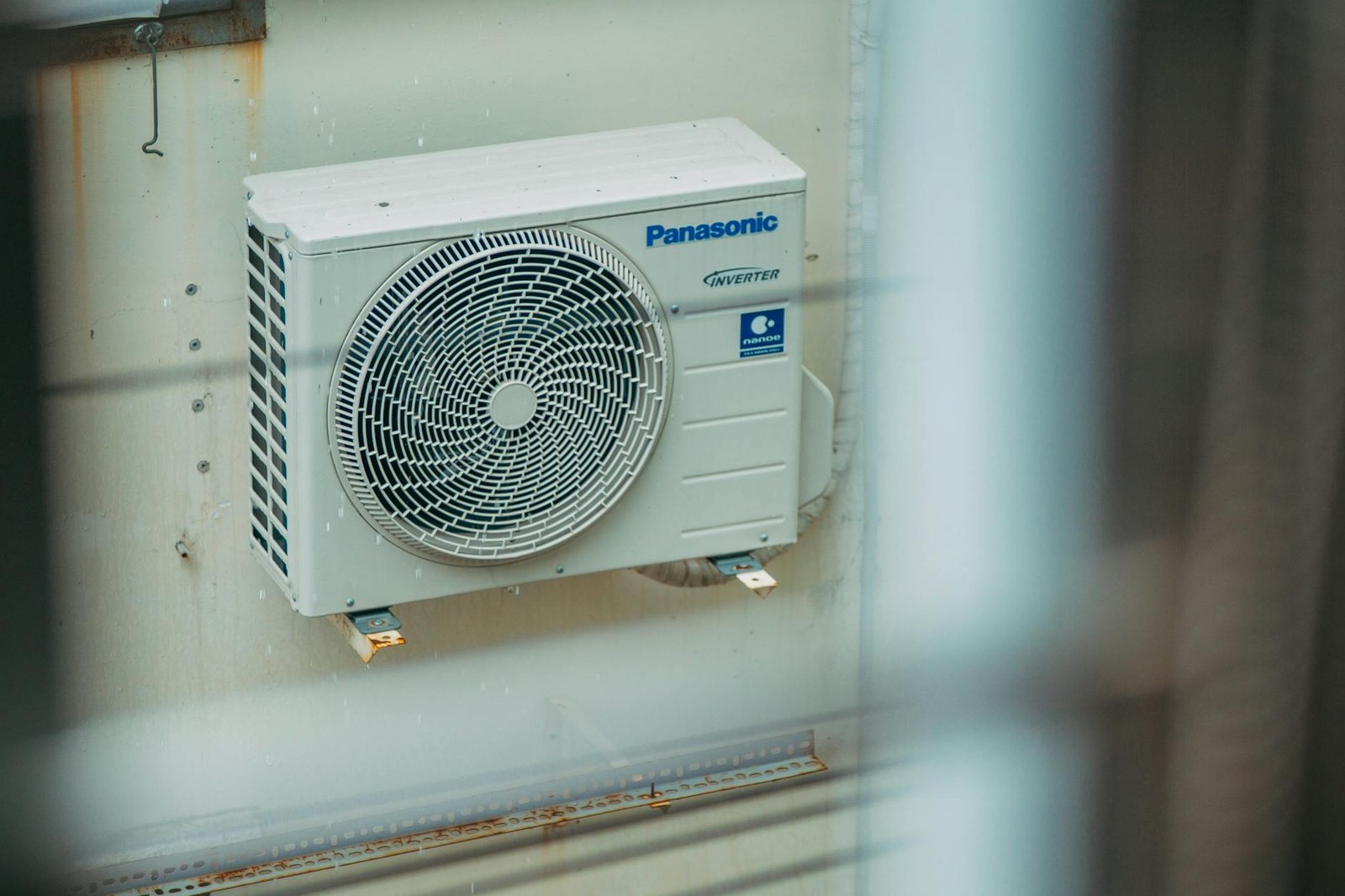
Reverse Cycle Air Conditioning Adelaide
Reverse cycle air conditioning is the dominant new-system class in Adelaide because one unit does both jobs — cooling on a 41°C summer afternoon, heating on a 2°C winter morning — and it does both at running costs that consistently beat gas heating and standalone resistive heaters. A 7kW reverse-cycle split system costs $2,800–$3,800 fitted in Adelaide, and a ducted reverse-cycle system runs $9,500–$13,500 for a standard 4-zone home.
We connect you with the trusted local installer from ARC-licensed reverse-cycle installers inside 24 hours. The form takes 90 seconds, and the quote will spell out the system class, kW capacity, and the rated heating performance at low ambient — the spec that actually matters for the Hills and the inner-east cold mornings.
How reverse cycle works
A reverse-cycle air conditioner is a heat pump. In cooling mode, refrigerant absorbs heat inside the room and dumps it outside. In heating mode, the cycle runs in reverse — the same refrigerant absorbs heat from the outside air (yes, even at 2°C) and pumps it inside. A four-way valve in the outdoor unit flips the direction.
Two practical implications:
- Energy efficiency — reverse-cycle heat pumps deliver 3–5kW of heat for every 1kW of electricity consumed (Coefficient of Performance 3–5). Gas heating sits at 0.85–0.95 (some heat goes up the flue). Resistive heating sits at 1.0. On Adelaide tariffs, reverse-cycle is roughly half the running cost of gas for the same comfort level.
- Performance at low ambient matters — heat pump capacity falls as the outside air gets colder. The nameplate rating is at 7°C ambient. The rating you actually need to know about, in Adelaide, is the rated capacity at 2°C ambient — because that’s what the unit has to deliver on a Stirling or Mount Barker winter morning.
What “low ambient” means for the Hills
If you live in the Adelaide Hills, the inner east, or the southern foothills (Mitcham, Belair, Blackwood), the spec to push on is rated heating capacity at 2°C ambient, not the headline 7°C nameplate kW.
A 7kW nameplate unit might deliver only 5kW at 2°C. That’s still plenty for the room — but it’s the spec that decides whether the unit cycles cleanly on a cold morning or struggles to come up to temperature.
Cold-climate inverters that handle this well include:
- Mitsubishi Electric Hyper Heating FH — rated to deliver nameplate kW at -15°C ambient, which is well past anything Adelaide will throw at it
- Daikin Ururu Sarara / FTXM-K — strong cold-ambient performance with humidity control built in
- Fujitsu Designer Range with Heat Pump tech — solid mid-range option
Stirling location page and Mount Barker location page go into the cold-climate angle in detail.
Reverse-cycle vs other heating
Pool and spa heating decisions follow the same heat-pump efficiency logic — the COP arithmetic that makes reverse-cycle aircon cheaper than gas heating in Adelaide also makes pool heating heat pumps cheaper than gas pool heaters on the same Adelaide tariffs. The physics doesn’t care whether you’re heating a room or a pool.
| Heating type | Typical COP | Adelaide running cost (relative) |
|---|---|---|
| Reverse-cycle heat pump | 3–5 | 1.0× (baseline) |
| Gas ducted | 0.85–0.95 | 1.4–1.8× |
| Resistive (column heater, panel) | 1.0 | 2.5–3.0× |
| Wood combustion | varies | depends on wood cost |
The reverse-cycle vs gas heating article goes deeper into the running-cost comparison for Adelaide tariffs.
System classes — split, multi-head, ducted
All three classes can be reverse-cycle:
- Single-head reverse-cycle split — the cheapest entry point. $2,400–$3,800 fitted depending on kW. Heats and cools one room. The default Adelaide bedroom or single living-room call.
- Multi-head reverse-cycle split — one outdoor compressor running 2–5 indoor heads, each with independent heating/cooling. $4,500–$11,000 depending on head count. The right call when ducted isn’t viable.
- Ducted reverse-cycle — whole-home heating and cooling with zone control. $9,500–$16,500 depending on kW and zone count.
Indicative reverse-cycle pricing in Adelaide
| System | Capacity | Fitted price |
|---|---|---|
| Reverse-cycle split | 2.5kW | $1,800–$2,400 |
| Reverse-cycle split | 5kW | $2,400–$3,200 |
| Reverse-cycle split | 7kW | $2,800–$3,800 |
| Reverse-cycle multi-head | 4 heads | $7,500–$11,000 |
| Ducted reverse-cycle | 4 zones, 14kW | $9,500–$13,500 |
| Ducted reverse-cycle | 6 zones, 18kW | $12,500–$16,500 |
STC rebates — what’s actually current
Reverse-cycle heat pumps qualify for Small-scale Technology Certificates (STCs) under the federal Renewable Energy Target. The rebate amount changes each year as the deeming period winds down (the scheme runs to 2030). For 2026, expect $250–$700 off a typical residential system depending on capacity and zone (Adelaide is Zone 4 for STC purposes).
The trusted matched installer handle the STC paperwork and apply the rebate as a discount on the quote — you don’t pay full price and claim back. SA-specific rebates change year to year; we flag any current ones on the quote where they apply.
Where reverse-cycle wins in Adelaide
- The Hills — heating-led market, cold mornings, heat-pump rated capacity at low ambient is the spec
- Foothills (Mitcham, Belair, Blackwood) — same cold-morning logic with milder summer cooling load
- Inner east (Norwood, Burnside, Walkerville) — premium ducted reverse-cycle, full-house climate control
- Northern growth corridor — modern homes designed around ducted reverse-cycle from the frame stage
The Mitcham location page and Mount Barker location page go into the heating-led specification angle.
Frequently asked questions
How much does reverse cycle air conditioning cost in Adelaide? A 5kW reverse-cycle split system costs $2,400–$3,200 fitted. A 7kW unit lands $2,800–$3,800. Ducted reverse-cycle for a 4-bedroom home runs $9,500–$13,500 for 4 zones.
Is reverse cycle cheaper to run than gas heating? Yes — typically 30–45% cheaper on Adelaide tariffs for the same heat output. The Coefficient of Performance arithmetic favours heat pumps because they move heat rather than create it. Gas heating sits at COP 0.85–0.95; reverse-cycle sits at 3–5.
Will reverse cycle work on a cold Hills morning? Yes — provided you spec a unit with strong rated performance at 2°C ambient (not just the 7°C nameplate). Mitsubishi Hyper Heating FH and Daikin Ururu Sarara are the standard cold-climate picks for Adelaide Hills installations.
What size reverse cycle do I need? The same baseline rule applies as for cooling — 0.15kW per m² for a well-insulated room. The catch is that on the heating side, you need to confirm the rated kW at 2°C ambient is enough for the room, not just the nameplate. A 5kW nameplate that delivers 3.5kW at 2°C is undersized for a 25m² room on a Stirling winter morning.
Reverse cycle or gas ducted heating? For new installs in 2026, reverse-cycle wins on running cost almost everywhere in Adelaide. Gas ducted is competitive only where the gas connection is already in and electricity tariffs are exceptionally high. The reverse-cycle vs evaporative article compares the broader heating + cooling decision.
Can reverse cycle go in a heritage home? Yes — single-head and multi-head reverse-cycle splits work in any home. Ducted reverse-cycle in heritage homes runs into the same roof-void challenges as standard ducted; bulkhead supply or floor-mounted return-air is the typical workaround.
Ready for a written, line-itemed reverse cycle quote?
Submit the quote form — the trusted Adelaide reverse-cycle installer in touch within one business day. Or call us if you’d rather start with a phone conversation.