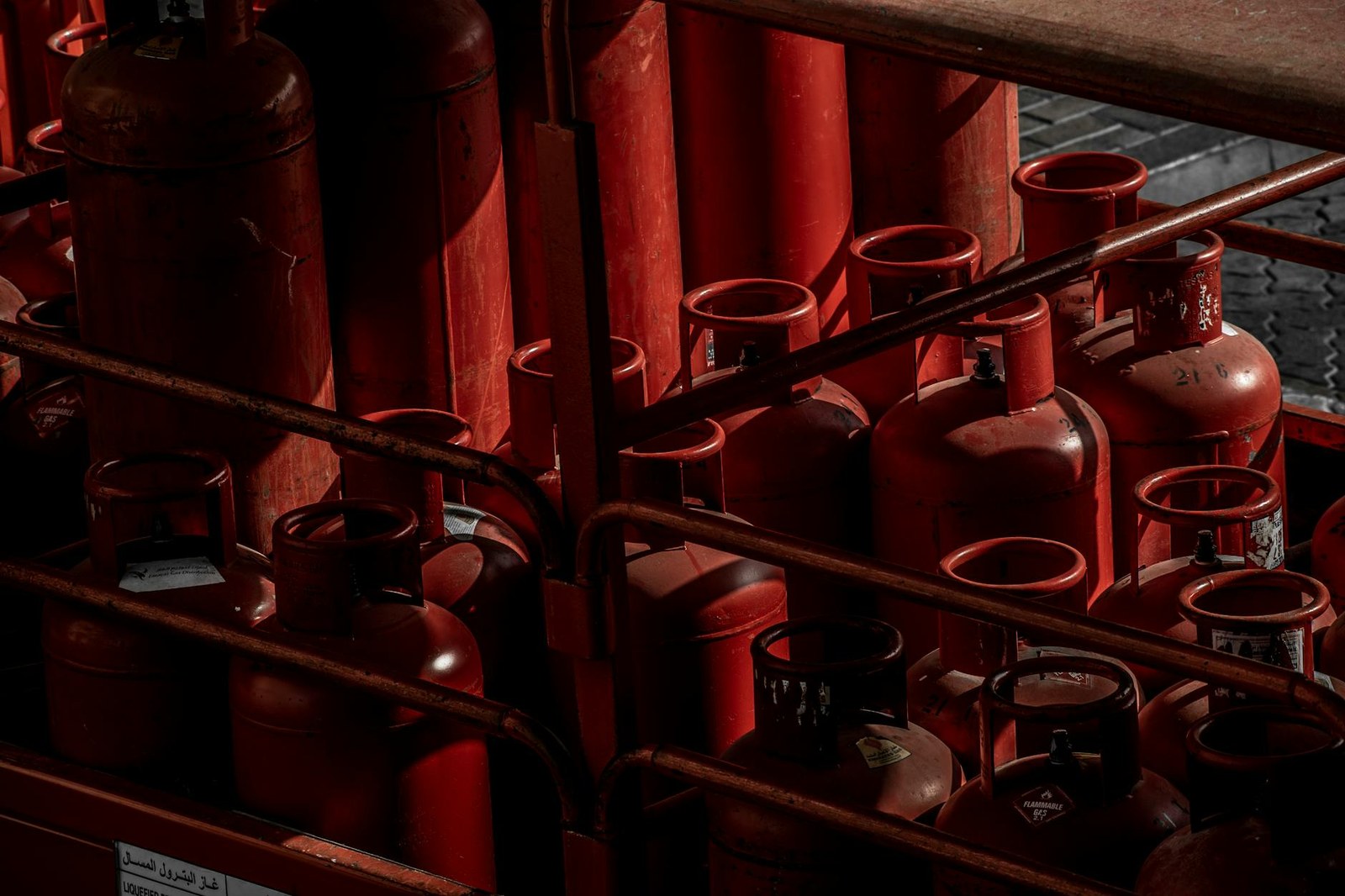
R32 vs R410A: What Refrigerant Is in Your New Aircon (and Why It Matters)
The honest answer: if you bought an aircon in 2020 or later, it’s almost certainly running R32 — and that’s good news. R32 has roughly one-third the climate footprint of R410A, runs at slightly higher efficiency, and uses about 20% less refrigerant by weight to deliver the same cooling. If your system is from 2010–2019, it’s most likely R410A — perfectly safe, perfectly serviceable, but the world is moving on. And if your ducted is pre-2010, there’s a real chance it’s R22, which we cover in our R22 phase-out for older Adelaide ducted systems article.
The aircon regas cost depends on which refrigerant you have, how much your system holds, and where the leak is. R32 sits at $80–$120 per kg, R410A at $110–$160 per kg, R22 at $300+ per kg if your tech can still source it. Most residential systems hold 0.8 to 2.5kg, so a typical regas runs $250–$650 — but the “fix the leak” labour is usually the bigger half of the bill.
Refrigerant in 60 seconds — what it does and why type matters
Refrigerant is the working fluid in the heat pump cycle. It absorbs heat at the indoor coil (cooling your house) and dumps it at the outdoor coil (heating the alley). It’s the substance that makes the whole thing work. Think of it like the water in a pump that moves heat from one place to another.
Different refrigerants have different operating pressures, different efficiencies, and very different climate footprints. The key number is GWP — Global Warming Potential — a measure of how much warming a kilogram of the gas causes if it leaks into the atmosphere, compared with one kilogram of CO₂.
The four refrigerants you’ll encounter on Australian aircons:
- R22 — pre-2010 systems. GWP 1,810. Phased out for new imports under the Montreal Protocol.
- R410A — 2010–2019 systems. GWP 2,088. Being phased down under the Kigali Amendment.
- R32 — 2020+ systems. GWP 675. Current default for residential.
- R290 (propane) — niche, very-low-GWP, flammable, mostly commercial. GWP 3.
Why type matters: the system is designed for the specific refrigerant. You can’t drop R32 into an R410A system. You can’t even drop R32 into an R22 system without rebuilding the indoor and outdoor coils, the expansion valve, and the compressor. The refrigerant question matters at the buying decision — not as a retrofit.
R410A — the workhorse of 2010–2020 Australian aircons
R410A replaced R22 in Australian residential aircon around 2010. Most ducted and split systems sold between 2010 and 2019 hold R410A. It’s a 50/50 blend of two refrigerants (R32 and R125) and runs at roughly 1.5× the operating pressure of R22 — which is why R410A systems use thicker copper lines and stronger flare nuts.
R410A is non-flammable, non-toxic, ozone-friendly. Performance-wise it’s a strong workhorse. The only real strike against it is GWP: at 2,088, a 1kg leak from an R410A system contributes the same warming as 2.1 tonnes of CO₂. Multiply by the ~600,000 residential R410A systems installed in Australia and the climate-policy pressure becomes obvious.
If you have an R410A system: keep running it. Service it normally, regas if there’s a leak, replace it when it ages out at 12–15 years. R410A regas in Adelaide runs $110–$160 per kg, so a typical 1.4kg residential split regas is $250–$400 plus the leak repair labour.
The question to your installer: “When you regas, is the system actually leaking, or just low?” An R410A system shouldn’t lose refrigerant at all. If it’s low, there’s a leak somewhere — flare joint, brazed joint, or coil pinhole — and topping up without finding the leak is throwing money at the problem.
R32 — the 2020+ replacement and why every new system has it
Daikin pioneered R32 residential aircon globally in 2012; the Australian market followed from about 2015 with mass adoption by 2020. By 2026, every new residential split and most new ducted systems sold in Australia ship with R32.
What R32 is: a single-component refrigerant (not a blend, unlike R410A), classified A2L “lower flammability” by the international refrigerant safety code. GWP of 675 — roughly one-third of R410A. Slightly higher operating pressure than R410A. Higher volumetric cooling capacity, which means less refrigerant by weight to deliver the same cooling.
A typical 7kW R410A split holds 1.4–1.6kg of refrigerant. The equivalent 7kW R32 split holds 1.0–1.2kg. That’s 25–30% less refrigerant — and combined with R32’s lower GWP, the per-system climate footprint drops by about 75% versus R410A.
The “A2L lower flammability” classification matters for installers but not for users. R32 only ignites at concentrations above 14% in air with a high-energy ignition source — practically impossible in a residential install. ARC-licensed installers follow AS/NZS 5149 refrigeration safety standards for charge limits per room volume, and the F-gas handling rules we cover separately.
R32 regas in Adelaide: $80–$120 per kg, so a 1.0kg residential regas runs $200–$320 plus leak repair. Slightly cheaper than R410A.
R22 — the legacy refrigerant phased out in Australia
R22 is the original residential refrigerant — pre-2010. If your ducted system is 15+ years old (Modbury, Tea Tree Gully, Salisbury, Burnside character homes with long-running ducted), there’s a real chance it’s R22.
R22 import for new systems was banned in Australia from 2010 under the Montreal Protocol (ozone layer protection). Servicing of existing R22 systems is still legal, but the gas is increasingly expensive — $300–$450 per kg in 2026 — and a regas of an old ducted system can run $1,200–$2,000 just for the gas. The arithmetic flips the repair-vs-replace decision: a $1,500 regas on a 15-year-old R22 ducted system rarely makes sense when the unit is end-of-life anyway.
If your aircon is pre-2010 ducted and starting to leak, the refrigerant question often forces the repair-or-replace decision. Worth a separate conversation with your installer.
The GWP numbers — R32 is 1/3 of R410A’s footprint
The numbers, in one table, drawn from the Department of Climate Change, Energy, the Environment and Water refrigerants page:
| Refrigerant | GWP (100-year) | Status in Australia | Typical residential charge |
|---|---|---|---|
| R22 | 1,810 | Imports banned 2010, servicing only | 2.0–4.0 kg (ducted) |
| R410A | 2,088 | Phasing down, still serviced | 1.0–2.5 kg |
| R32 | 675 | Current default | 0.8–1.8 kg |
| R290 (propane) | 3 | Niche, mainly commercial | 0.3–0.7 kg |
A 1kg leak from a typical residential R32 system contributes 0.675 tonnes CO₂-equivalent of warming. The same leak from an R410A system contributes 2.09 tonnes. From an R22 system, 1.81 tonnes — plus ozone-layer damage on top.
This is why Australia is signed to the Kigali Amendment to the Montreal Protocol, which phases down HFC refrigerants (R410A is one) over 2018–2036. Refrigerant import quotas tighten every few years. R410A new-system imports are already winding down. R32 will stay the residential default through 2030, with R290 and other very-low-GWP refrigerants likely taking over in the 2030s once safety codes catch up.
Why an R32 system runs more efficiently (and uses less refrigerant)
Three reasons:
One — higher volumetric cooling capacity. R32 carries about 20% more cooling per cubic metre of compressed gas than R410A. Same compressor work, more cooling delivered. Translates to roughly 5–10% better Coefficient of Performance (COP) at the same rated capacity. Worth understanding properly — the COP and EER explained article goes into the spec-sheet detail.
Two — lower charge weight. Less refrigerant by weight to deliver the same cooling. The compressor moves a smaller mass of gas per cycle. Less weight to circulate, less compressor work, more efficiency.
Three — newer system design. R32 systems are 2020+ designs with newer inverter compressors, better heat exchangers, and tighter refrigerant control. Some of the efficiency gain is the refrigerant; some is the model generation.
Real-world numbers from Daikin Australia on the equivalent 7kW Cora split: R410A version COP 4.0 cooling, R32 version COP 4.4 cooling. About 10% better. On a system running 1,200 hours per year in cooling mode at 1.8kW input, that’s $35–$50 saved per year in running costs — small per year, real over 15 years.
Mixed systems — why an R410A condenser can’t run R32 indoor heads
A common question from buyers replacing one indoor head and keeping the outdoor: can I retrofit an R32 indoor head onto my R410A condenser? The answer is no.
Three blockers:
- Compressor oil. R410A systems use POE oil (polyolester). R32 systems use a slightly different oil formulation. Mixing the oils degrades compressor lubrication.
- Pressure ratings. R32 runs at slightly higher operating pressure than R410A. R410A indoor coils and expansion valves aren’t rated for the higher pressure side of R32 operation.
- Charge calibration. The factory refrigerant charge is calibrated for the matched indoor-outdoor pair. Mixing generations breaks the calibration.
If your indoor head fails on a 12-year-old R410A system, the choice is: source a matching R410A indoor head (likely available, may take 2–4 weeks to arrive), or replace the whole system as R32. Don’t let an installer talk you into mixing R32 indoor with R410A outdoor — it’s not a real solution and the warranty will be gone.
What to ask before buying a 2026 aircon (the refrigerant question matters)
Five questions to put to any 2026 installer quoting your new system:
- What refrigerant does the unit run? Should be R32 for any new residential install. If they say R410A, they’re quoting old stock — push back or get another quote.
- How much refrigerant does it hold? Tells you what a future regas will cost. 7kW split should be 1.0–1.2kg R32.
- Do you commission with vacuum and nitrogen pressure test? Proper R32 commissioning needs pressure testing to 4.2MPa with nitrogen, then a 30-minute vacuum to 500 microns. Cowboy installers skip this.
- What’s the leak warranty? Most major brands warrant the refrigerant circuit for 5 years. If a leak appears in year 2, the regas should be free.
- Are you ARC-licensed? Required by Australian law to handle refrigerant. Verify the licence number at the ARC public register before the install.
Cross-state context — Pool and Spa Quotes runs the same standards
The same refrigerant-handling rules apply across other plumbing-and-mechanical trades. If you’re also looking at heat-pump pool heaters, the Pool and Spa Quotes Adelaide team runs the same ARC-licensed standard for refrigerant work — same compliance regime, different application.
When to call us
If your current system is leaking and you’re trying to decide between regas and replace, submit the quote form. The trusted ARC-licensed Adelaide installer — they’ll inspect, identify what refrigerant you have, find the leak, and give you both numbers (regas now vs replace now) so you can decide cleanly.
Frequently asked questions
Is R32 a flammable refrigerant? Mildly. R32 is classified A2L — lower flammability than propane or butane (A3) and only ignites at high concentrations and a high-energy ignition source. In normal residential use it’s safe. ARC-licensed installers follow AS/NZS 5149 charge-limit rules.
Why are aircon manufacturers switching from R410A to R32? R32 has a global warming potential of 675 versus 2,088 for R410A — roughly one-third the climate footprint per kilogram. R32 also runs at lower charge weights and slightly higher efficiency, so manufacturers gain on regulation and performance simultaneously.
Will R410A be banned in Australia? Not yet, but Australia is signed to the Kigali Amendment and HFC quotas tighten through 2036. R410A new-system imports are already winding down. Servicing and regas of existing R410A systems will continue for the lifetime of those units (typically through the late 2030s).
Can my old R410A system be converted to R32? No. The compressor oil, expansion valves and pressure ratings are different. Mixing R32 into an R410A system damages the compressor. If you want R32, you replace the whole system — outdoor and indoor.
Why does R32 use less refrigerant for the same cooling? R32 has higher volumetric cooling capacity than R410A — roughly 20% more cooling per kilogram of refrigerant. That’s why a 7kW R32 split typically holds 1.0–1.2kg of refrigerant versus 1.4–1.6kg in the R410A equivalent.
Is an R32 aircon more efficient than R410A? Marginally — typically 5–10% better COP at the same capacity, partly from the refrigerant properties and partly because new R32 systems use newer compressor and inverter technology. The bigger efficiency gap is the model generation, not the refrigerant alone.
Ready for a written quote from an ARC-licensed Adelaide installer?
Submit the quote form — the trusted ARC-licensed Adelaide installer, all running R32 systems for new installs. Fast turnaround, no obligation.