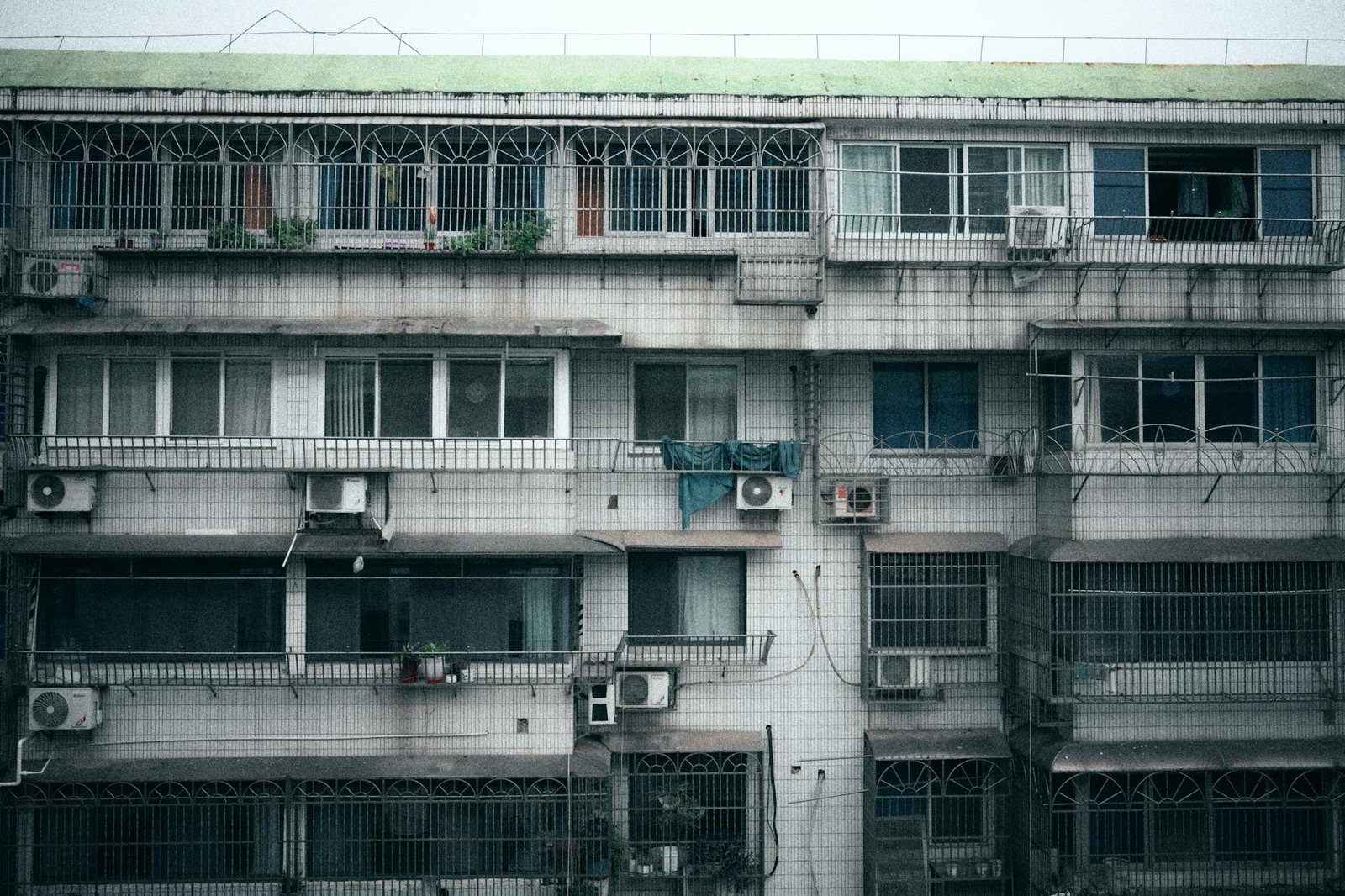
Council Approval for Split System Installation Adelaide
For most Adelaide homes, a standard split system installation does not need council approval. The work falls under the minor-development exemptions in Schedule 4 of the Planning, Development and Infrastructure Act 2016 (PDI Act), provided the outdoor unit sits within prescribed boundary setbacks and the installer is suitably licensed. The exception is heritage-listed homes and properties inside character-overlay zones — Norwood, North Adelaide, Walkerville, parts of Unley and St Peters — where a Development Application (DA) or council notification is usually required before the bracket goes on the wall.
This guide walks through the four situations that decide whether your Adelaide split system installation is exempt, council-notified, or DA-required, and what your installer should be documenting in each case.
The 30-second answer: when council approval is and isn’t needed in Adelaide
Three quick tests cover most homes:
- Is the property heritage-listed (state or local) or inside a Historic Area Overlay or Character Area Overlay? If yes, expect a DA or council notification. Check the property’s zoning on PlanSA before you book the install.
- Will the outdoor unit be visible from a primary street frontage? In a heritage overlay, that alone can trigger a referral. In a standard residential zone, it usually does not.
- Are you in a strata or community-titled property (apartment, townhouse, retirement village)? Body-corporate consent applies on top of any council requirement. We cover that in the body-corporate aircon approval guide.
If none of those three apply, your installer mounts the unit, lodges electrical compliance with the Office of the Technical Regulator, and the job is done.
Standard split-system installs at suburban Adelaide homes (no DA needed in most cases)
A standard wall-mount split system installed at a 1980s-or-newer Adelaide home — say, a brick veneer in Salisbury, a Hallett Cove townhouse, a Mount Barker family home outside the heritage core — is treated as minor development under Schedule 4 of the PDI Act. No DA, no council fee, no neighbour notification.
The conditions your installer needs to keep within:
- Outdoor unit setback — at least 600mm from any side or rear boundary (most councils accept the manufacturer’s clearance figure as sufficient, but check the local development plan).
- Noise compliance — the unit must comply with AS 1055 (acoustic emissions) at the property boundary. Most modern inverter splits produce 48–55 dB(A) at 1 m, well within the 5 dB above ambient limit measured at the boundary during the day.
- Electrical work — performed by a licensed South Australian electrician, with a Certificate of Compliance lodged through the Office of the Technical Regulator. The installer keeps the customer copy.
- Refrigerant work — performed by an Australian Refrigeration Council (ARC) licensed technician. A standard residential installer holds a combined RAC + electrical ticket or works in a two-person crew.
When all four conditions are met, the install proceeds without council involvement.
Heritage-overlay streets — Norwood, North Adelaide, Walkerville (where it changes)
The picture changes the moment your address sits inside a Historic Area or Character Area Overlay. Adelaide’s inner-east and inner-north have dense overlay coverage:
- City of Norwood Payneham & St Peters — most of Norwood, Kent Town, College Park, Stepney and St Peters falls under either the Historic Area Overlay or the Character Area Overlay. The council’s heritage development guide is explicit: air conditioning units visible from a primary street frontage require a DA. See the official guide on the council website.
- City of Adelaide — North Adelaide’s heritage zones (Tynte Street, Jeffcott Street, Stanley Street precinct) treat any visible plant equipment as a referral trigger.
- Town of Walkerville — small council, strict rules. The Character Area Overlay applies along most of Walkerville Terrace and the streets immediately south.
- City of Unley — pockets of Goodwood, Parkside and Unley village fall under heritage overlays; the rest of Unley is standard residential.
- City of Burnside — heritage pockets in Toorak Gardens and Eastwood; the broader Burnside ducted aircon installation catchment is otherwise unrestricted.
Inside an overlay, the trigger is visibility from a primary street frontage. A condenser tucked behind a side fence at a Norwood character home aircon installation often passes without referral. A condenser on the front eave of a heritage cottage almost always does not.
Visible-from-street condenser placement and what your local council actually checks
The heritage assessment looks at three things:
- Visual impact on the streetscape. Can the condenser be seen from the footpath of the primary street? If yes, can it be screened (timber lattice, masonry surround, hedge) without violating clearance?
- Size and prominence. A 5kW residential split-system condenser is small (around 800 mm × 550 mm × 300 mm). A 14kW ducted condenser is significantly larger and harder to screen — heritage councils flag ducted DAs more often than split-system ones.
- Permanent fixings to heritage fabric. Brackets bolted into a stone-and-mortar facade, or penetrations through a heritage-listed roof, almost always require referral to the council’s heritage adviser.
The remediation most installers recommend before lodgement: relocate the condenser to a side or rear elevation, or specify a low-profile bracket on a non-original wall (a 1970s laundry extension, for example, instead of the original 1880s façade).
Multi-storey, character-cottage and apartment exemptions (and the body-corp overlap)
For two-storey homes, the same rules apply, but the practical install is more complex. Line-set runs need to be hidden in a chase or run inside a line-set cover; the longer pipe run also affects refrigerant charge calculation.
For character cottages (the typical 1900–1940 brick-and-iron Adelaide home), the issue is usually the lack of a roof void deep enough for ducted, which is why most inner-east installs default to multi-head split. Heritage councils generally prefer split over ducted in these homes — fewer roof penetrations, smaller plant.
Apartments and townhouses sit under both the council planning rules and the body-corp rules. Even if the council exemption applies, the body-corp can refuse the application on the grounds of common property modification or acoustic impact on neighbouring lots. The body-corporate aircon approval guide walks through that overlap in detail.
The four Adelaide councils with the strictest rules (and what they ask for)
Based on current development plans and adopted overlays, these four councils sit at the strict end:
- City of Adelaide (CBD + North Adelaide) — most zones outside the central core require a DA for visible plant equipment. Heritage architect’s referral often required.
- City of Norwood Payneham & St Peters — Historic Area Overlay and Character Area Overlay across most of Norwood, Stepney, College Park and St Peters. Visibility test applies.
- Town of Walkerville — small council with a high heritage density and a strict Character Area Overlay along Walkerville Terrace and surrounds.
- City of Unley — Goodwood, Parkside, Unley village heritage pockets. Less strict than the inner-east councils but referrals still common for street-facing plant.
Each of these councils accepts an online DA lodgement through the PlanSA portal. Typical assessment fees are $150–$500 for a Code Assessed (Performance Assessed) application; assessment timelines run 4–8 weeks. Most installers will not begin work until the DA is granted, even if the homeowner is willing to take the risk.
What happens if you skip approval and a neighbour complains
Two pathways open up:
- Council enforcement. Under section 213 of the PDI Act, the council can issue an enforcement notice requiring the unit to be removed or relocated. Penalties for unauthorised development in a heritage area can reach $120,000 for a corporation and $60,000 for a natural person, though in practice first-offence enforcement usually starts with a warning and a directive to lodge a retrospective DA.
- ACL / consumer complaint against the installer. If the installer told you no DA was required and that turns out to be wrong, the homeowner has recourse under the Australian Consumer Law warranty rights — fitness for purpose includes the install being lawful.
The risk profile most installers describe to customers: low likelihood of detection in an unscreened side-yard install, high cost if a neighbour complaint is lodged. A retrospective DA fee plus an installer call-back to relocate the unit usually runs $1,200–$2,500 on top of the original install cost.
How a licensed installer documents the install for council records
A clean install in a heritage overlay generates a paper trail:
- Pre-install — site assessment photos showing the proposed condenser location and the primary street frontage. Confirmation that the property’s zoning has been checked on PlanSA.
- DA lodgement (if required) — site plan, elevation showing condenser position, manufacturer’s specification sheet, acoustic compliance statement.
- Post-install — Certificate of Electrical Compliance (Office of the Technical Regulator), refrigerant handling record (ARC), commissioning sheet from the manufacturer. The Australian Standards behind a safe install sets the baseline for what a competent commissioning sheet looks like.
Keep this paperwork. It is the documentation that protects the warranty, the resale value of the home, and any future insurance claim.
Getting a free, written quote that account for the council position
Before you commit to a quote, check your property’s zoning on the PlanSA portal and confirm whether any overlays apply. The matched installers who quote through this site are briefed on heritage-overlay rules and will flag the DA requirement during the site visit, not after the deposit is paid. Cross-trade context — an installer used to working alongside trades like the Adelaide pool and spa quote network on heritage homes — tends to handle the DA paperwork more cleanly than installers who only work in newer suburbs.
Frequently asked questions
Do I need council approval to install a split system in my Adelaide home? For most suburban homes outside heritage and character overlays, no. The install is treated as minor development under Schedule 4 of the PDI Act. If your property is inside a Historic Area Overlay or Character Area Overlay, expect a DA — particularly if the outdoor unit will be visible from the primary street frontage.
What about heritage-listed homes in Norwood, North Adelaide or Walkerville? A DA is almost always required. The councils involved (City of Norwood Payneham & St Peters, City of Adelaide, Town of Walkerville) assess visual impact on the streetscape, prominence of the plant, and any permanent fixings to heritage fabric. Side-yard or rear-yard placement screens you from most of the visibility test.
Does the outdoor unit need to be hidden from the street? In a heritage overlay, yes — visibility from the primary street frontage is the standard trigger for council referral. In a standard residential zone, it is not a requirement, though acoustic compliance at the boundary still applies under AS 1055.
What’s the fine if I install without approval and get caught? Under the PDI Act, unauthorised development penalties can reach $120,000 for a corporation. In practice, first-offence enforcement starts with an enforcement notice requiring retrospective DA lodgement or unit removal. Add $1,200–$2,500 to the original install cost in the typical remediation case.
Does my installer handle the council paperwork? A reputable Adelaide installer either prepares the DA themselves or works with a planning consultant who does. The homeowner is the applicant, but the installer provides the site plan, elevation drawings and acoustic compliance statement. Confirm this before signing the install contract.
How long does a heritage-overlay aircon DA take to approve in Adelaide? Code Assessed (Performance Assessed) applications typically run 4–8 weeks from lodgement to decision. Restricted Development applications, which apply to some state heritage places, can run 12–16 weeks. Allow at least 6 weeks before your intended install date.
Ready for a free, written aircon installation quote?
If you’d like a quote from the trusted licensed Adelaide installer who will check your property’s heritage status before quoting, submit the quote form — the trusted Adelaide installer in touch within one business day, with the council position flagged at site assessment, not after the deposit.